

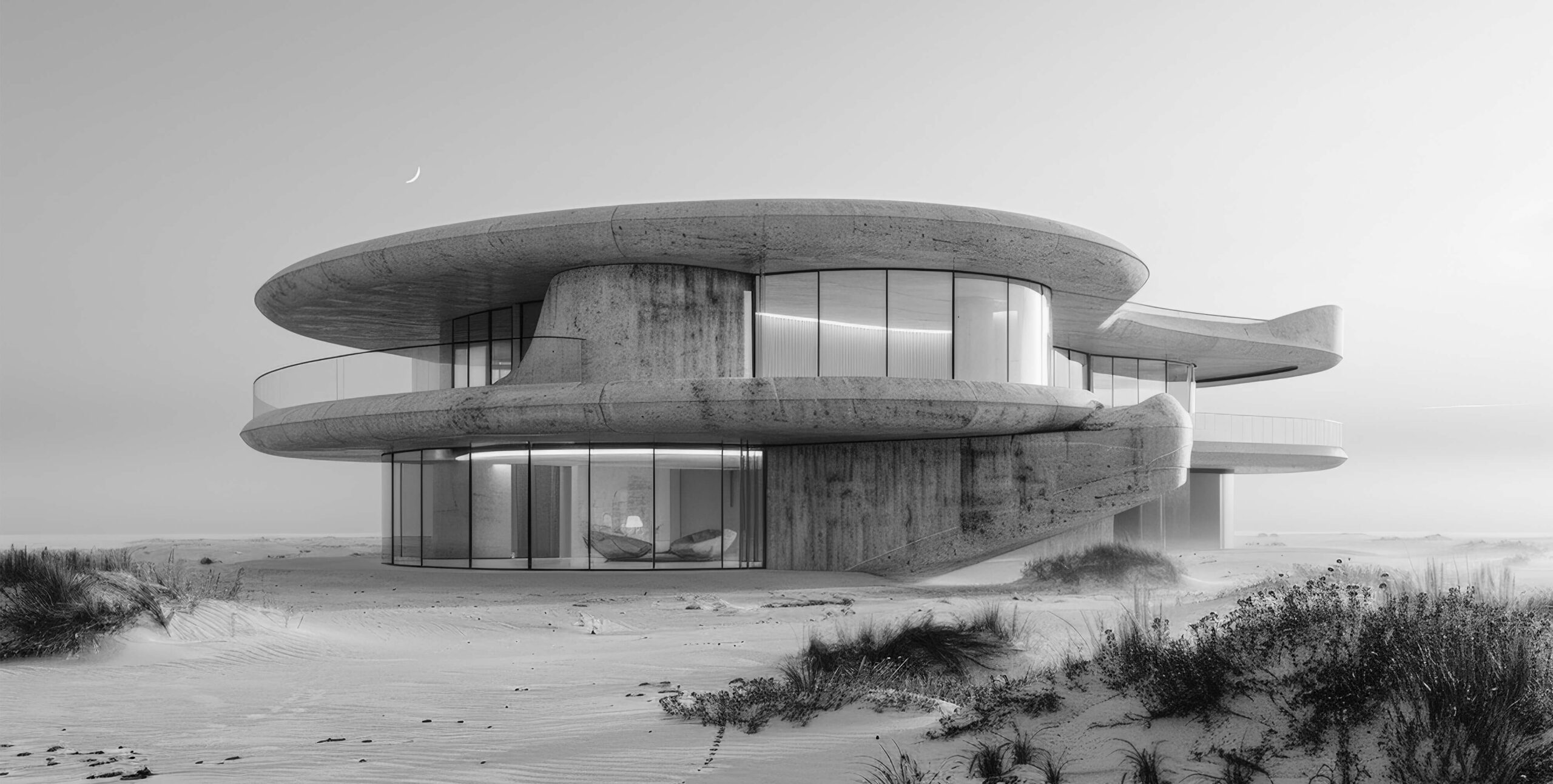
In high-competition property markets like the UAE, how a project is visualised usually shapes how it is perceived — and ultimately how it sells. Static brochures and staged photos once defined real estate marketing. Today, buyers expect immersive, cinematic, and informative experiences long before construction completes.
That shift is why Real Estate CGI and animation have moved from creative add-on to strategic marketing infrastructure. For developers, brokerage leaders, and marketing heads, CGI is no longer just about aesthetics; it is about clarity, confidence, and conversion across the entire buyer journey.
Real Estate CGI refers to computer-generated visualisation used to depict unbuilt or future property environments with photorealistic precision. It powers everything from cinematic fly-through films to interactive 3d Virtual Real Estate Tours and digital walkthroughs that allow buyers to experience spaces before they physically exist.
For UAE developers selling off-plan, international, and luxury inventory, CGI closes the gap between vision and perception, turning architectural intent into emotionally compelling reality.
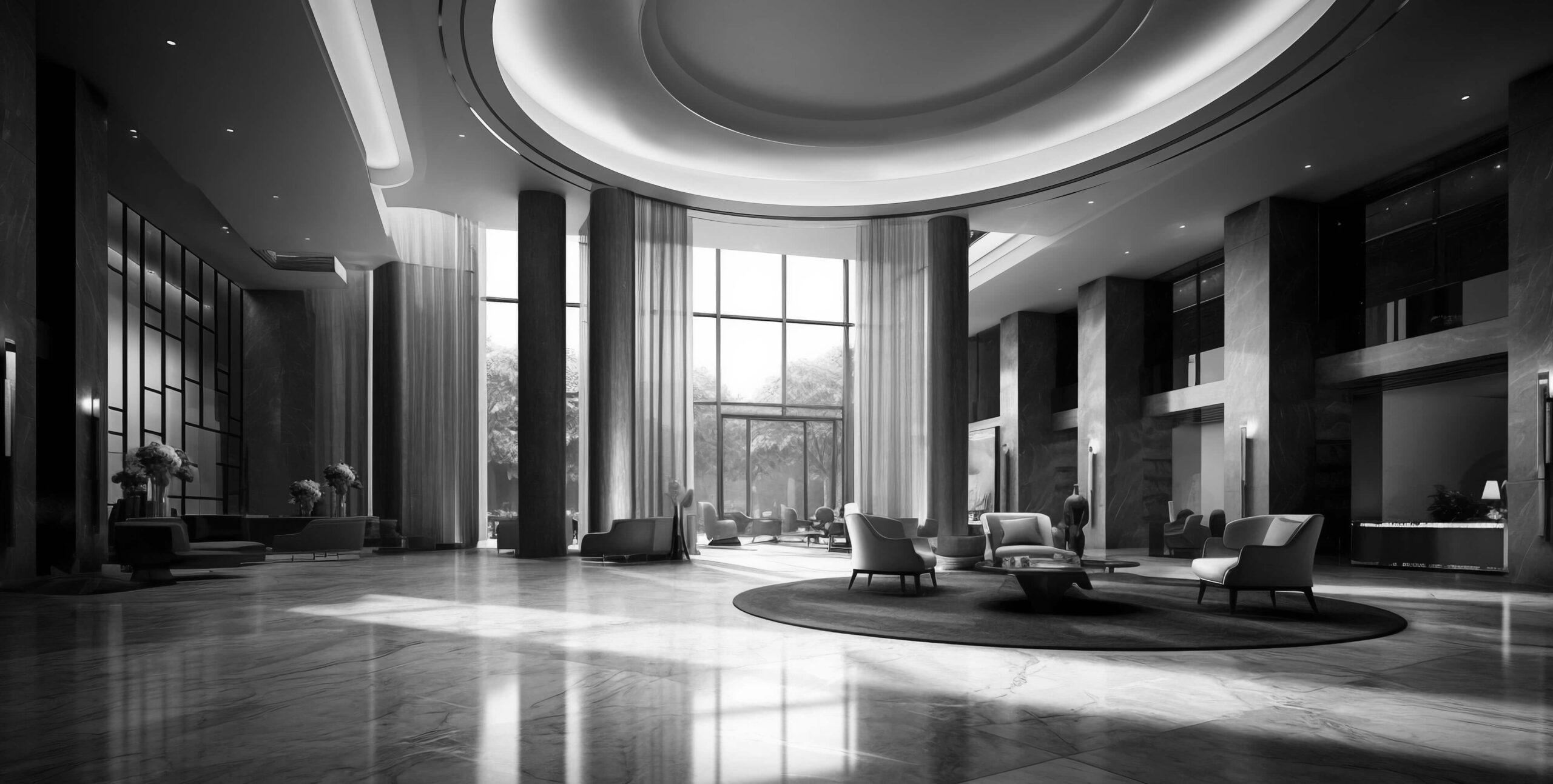
The Rise of Immersive Property Marketing
Cinematic First Impressions
High-end buyers increasingly encounter projects through video rather than site visits. CGI animation enables sweeping aerial sequences, lifestyle scenes, and atmospheric lighting that elevate perception instantly.
Compared with traditional Real Estate Photography, animation creates aspirational narratives rather than static documentation, especially valuable for off-plan launches and branded residences.
Clearer Design Storytelling
Architectural drawings communicate function; CGI communicates experience. Animation can show:
- spatial flow between rooms
- material transitions
- daylight behaviour across time
- amenity relationships
This level of Real Estate Visualisation reduces cognitive effort for buyers, making complex developments easier to understand and evaluate.
Multi-Buyer Adaptability
Different buyer segments prioritise different features. CGI environments can be adapted to:
- family living scenarios
- investor-focused layouts
- luxury lifestyle staging
- cultural preferences.
Unlike fixed photography or Real Estate Photography 360 Virtual Tour captures, CGI assets can be repurposed across campaigns and audiences without reshooting physical spaces.
Scalable Digital Staging
Physical staging is costly and limited to built units. CGI staging scales across:
- multiple unit types
- design schemes
- furnishing levels
- price tiers
Developers may present variation at portfolio scale while maintaining brand consistency — a major advantage in large UAE master developments.
Interactive Buyer Engagement
Interactive Real Estate Virtual Walk Through experiences allow buyers to explore at their own pace:
- rotate views
- switch finishes
- navigate rooms
- explore surroundings
Modern Real Estate Virtual Tour Services increasingly combine CGI environments with real context data (views, lighting, surroundings), creating hybrid experiences more informative than traditional tours.
The Commercial Impact of CGI Animation
Faster Sales & Price Growth
Projects visualised through CGI animation usually achieve earlier buyer traction because:
- clarity reduces hesitation.
- emotional connection increases desire.
- perceived completion risk declines.
This frequently supports stronger launch absorption and price resilience — especially in off-plan luxury segments.
Higher-Quality Lead Conversion
CGI experiences pre-educate buyers before enquiry. Prospects entering sales funnels already understand:
- layouts
- views
- finishes
- positioning
This improves conversion efficiency compared with campaigns relying only on renders or photography.
Stronger buyer confidence
International buyers — a major UAE segment — rely heavily on remote evaluation. Immersive 3d Virtual Real Estate Tours and animation provide reassurance normally gained through physical visits.
Confidence increases when buyers can visualise scale, context, and lifestyle rather than abstract plans.
Market Differentiation
In saturated launch environments, visual sophistication signals project quality. CGI animation communicates:
- design ambition.
- brand positioning.
- attention to detail.
- lifestyle aspiration.
For premium and branded residences, this perception layer is commercially decisive.
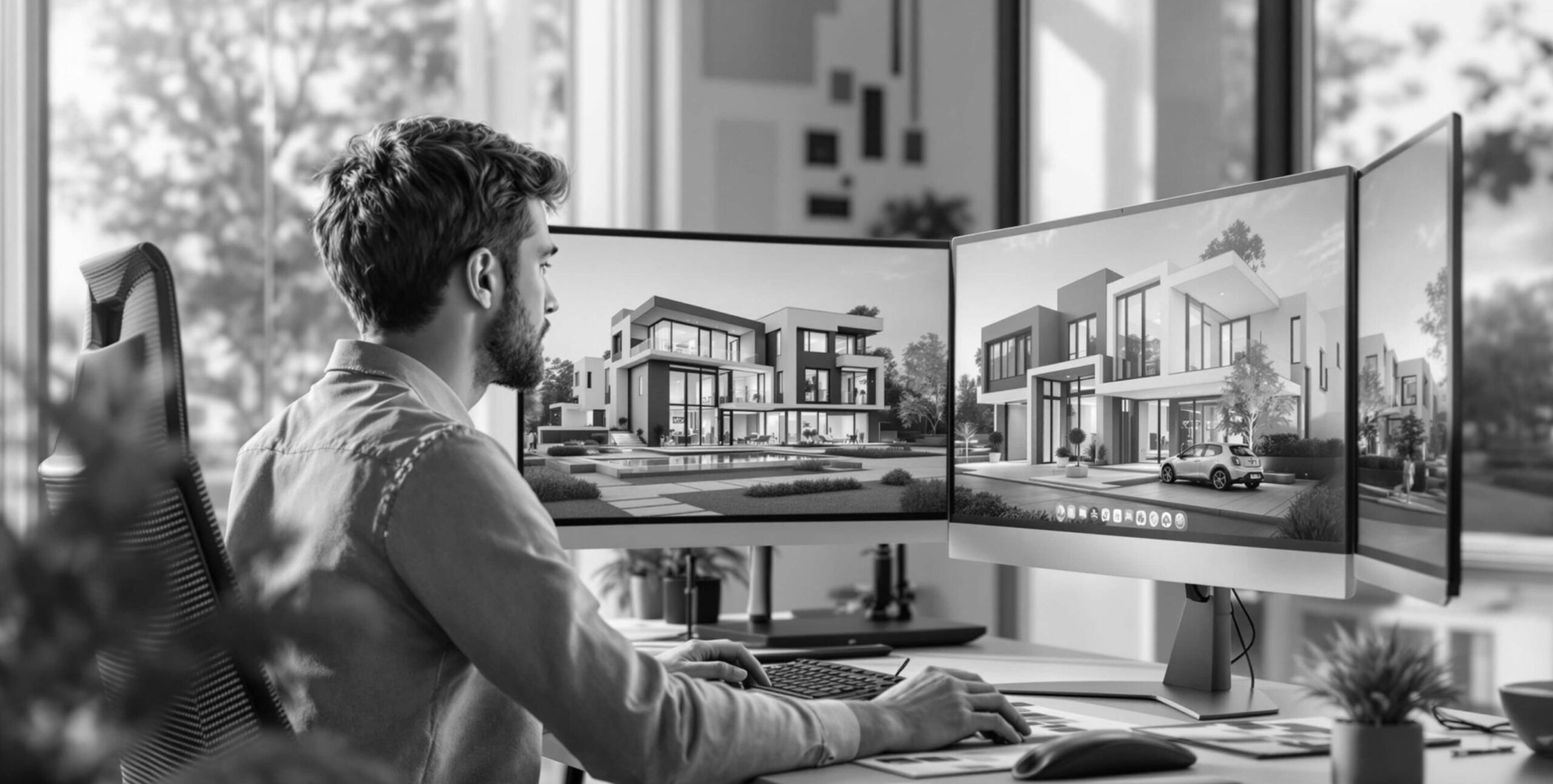
Integrating CGI Into Your Marketing Strategy
Choosing the Right CGI Partner
Not all CGI providers operate at strategic real estate level. Effective partners understand:
- architectural intent.
- buyer psychology.
- luxury positioning.
- campaign deployment.
Partners such as Mint & Co.’s CGI Animation focuses on aligning visual storytelling with development branding, sales strategy, and media rollout, ensuring assets function as conversion tools rather than isolated visuals.
Embedding Animation Into Workflows
Maximum impact usually occurs when CGI integrates early with:
- architecture and design teams
- brand development
- launch strategy
- digital campaigns
- sales enablement
Animation should evolve alongside project milestones, supporting pre-launch, launch, and post-launch phases rather than being produced once.
Multi-Channel Deployment
CGI animation performs best when deployed across channels:
- launch films
- social media
- paid advertising
- website hero content
- immersive showrooms
- broker presentations
- international sales roadshows
Consistent visual environments across touchpoints strengthen buyer recognition and trust.
CGI animation has shifted from visual enhancement to strategic sales infrastructure in UAE real estate. Developers who treat visualisation as a conversion system — not just creative output — are redefining how projects are experienced, trusted, and sold.
Got Questions? We’ve Got You.
Real Estate CGI animation uses computer-generated imagery to create photorealistic videos and interactive environments that showcase properties before or beyond physical construction.
Costs vary by complexity, duration, and realism level. Luxury Dubai developments invest more due to detail, lifestyle scenes, and cinematic quality requirements.
Production timelines generally range from 4 to 12 weeks depending upon project scale, revisions, and asset complexity. Early planning shortens timelines.
CGI improves buyer understanding, accelerates off-plan sales, strengthens brand perception, and enables global marketing before completion.
They serve different stages. Photography documents built reality; CGI communicates future vision. For off-plan and luxury launches, CGI is usually more influential in early sales phases.
Yes. Remote buyers rely on immersive visualisation to assess properties without travel. CGI-based virtual experiences significantly improve confidence and decision readiness.