How to Market Luxury Real Estate, luxury real estate advertising
Blogs, Real Estate
- Author: Rahul Shivaprakash

Introduction
In 2026, the conversation around luxury real estate marketing has moved far beyond listings and brochures. Developers and brokerage leaders are no longer just selling property; they are presenting a complete lifestyle, a long-term investment narrative, and a brand experience.
Understanding how to market luxury real estate today requires a more nuanced approach. Buyers are informed, globally exposed, and selective. They aren’t just evaluating square footage or location, but design philosophy, brand alignment, and long-term value.
This shift needs a more strategic and refined approach to luxury real estate advertising, one that blends storytelling, technology, and precision targeting.
Defining Luxury Real Estate in Today’s Market
Luxury real estate is no longer defined only by price. In markets like the UAE, it is increasingly about differentiation.
True luxury is characterised by exclusivity, architectural distinction, curated amenities, and the ability to offer a complete lifestyle ecosystem. It is about how a property fits into a buyer’s world.
For developers, this means that how to sell luxury real estate is closely tied to how well the property communicates identity, not just features.
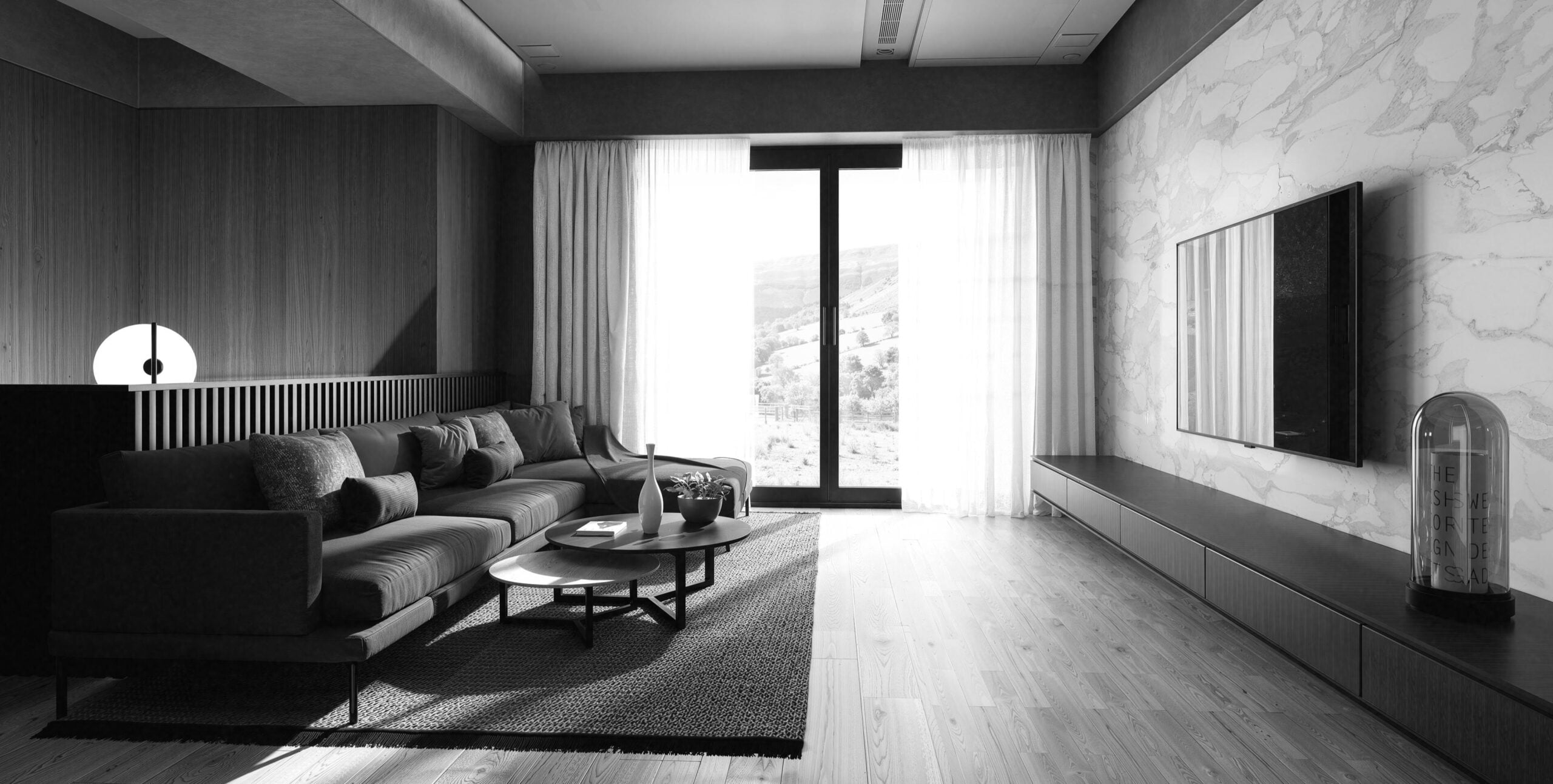
Emerging Real Estate Trends
Wellness-Driven & Sustainable Living
Buyers are placing greater emphasis on wellness. From air quality systems to biophilic design and green certifications, sustainability is no longer optional. It is expected.
Luxury real estate marketing materials now usually highlight wellness infrastructure as a core value driver
Smart Living & Tech-Enabled Luxury
Smart homes have evolved into fully integrated ecosystems. AI-enabled security, automation, and energy management systems are becoming common in high-end developments. This is where technology not only improves the property itself but also makes it more appealing and relevant in the market.
Branded Residences & Elevated Exclusivity
Branded developments are changing how people view luxury homes. Projects like Binghatti City illustrate how brand collaborations elevate desirability and perceived value.
These properties are not just homes, they are extensions of globally recognised brands, offering a distinct identity that resonates with high-net-worth buyers.
The Rise of Lifestyle-Centric Destinations
Luxury buyers are increasingly drawn to destinations that give a complete experience with marinas, cultural districts, wellness retreats, and integrated communities.
This shift influences every aspect of a luxury home marketing plan, from messaging to visual storytelling.
From Assets to Value-Driven Investments
Today’s buyers are strategic. They evaluate long-term appreciation, rental yield, and portfolio diversification.
Because of this, luxury real estate advertising needs to feel aspirational, but also grounded in realistic and credible investment value.

High-Impact Strategies to Market Luxury Real Estate
Cinematic Visuals & Immersive Technology
High-end properties demand high-end presentation. Cinematic visuals, drone footage, and 3d Virtual Real Estate Tours are no longer differentiators; they’re expectations.
Tools like Real Estate CGI Animation allow developers to present unbuilt projects with clarity and emotional depth, helping buyers visualise the finished experience.
Lifestyle-Led Storytelling & Content
Effective luxury real estate marketing materials focus more on lifestyle.
Instead of just listing features, the focus shifts to how the space feels, like soft morning light, peaceful views, or thoughtfully designed interiors. It is this feeling that draws people in.
Precision-Targeted Digital Campaigns
Mass marketing has limited relevance in the luxury segment. Precision is very important.
Campaigns today are more focused and data-driven, aimed at specific buyers based on where they are and what they’re looking for. This ensures that messaging reaches the right audience, not just a larger one.
Curated Networking & Exclusive Events
In-person engagement remains powerful. Carefully designed real estate events create opportunities for meaningful interactions with high-value buyers.
Private showcases, invite-only previews, and curated experiences usually play a central role in closing high-ticket transactions.
Global Visibility & Cross-Border Reach
The UAE luxury market is inherently global. Buyers come from Europe, Asia, and beyond. A strong cross-border strategy ensures visibility in key international markets, supported by localisation and cultural understanding.
Strategic Influencer Collaborations
In luxury real estate, it is not really about working with the biggest names. It’s more about choosing the right people. When the voice matches the brand, it feels natural and builds trust. That kind of authenticity reaches the right audience more easily.
Dedicated Property Website
Today, having a dedicated website for each project is almost a must. It gives you one place to bring everything together—your story, visuals, and details. Instead of scattered listings, a website helps present the project in a more complete and polished way.

High-Impact Strategies to Market Luxury Real Estate
Strategic Brand Positioning
Every project must have a clear identity. Whether it is design-led, wellness-focused, or investment-driven, positioning defines how the property is perceived.
Detailing That Reflects Excellence
Luxury lies in the details. From visual assets to copy, every element must reflect precision and quality.
This is where thoughtfully executed visual tools, including CGI animation, contribute to a more refined presentation.
Seamless Brand Alignment
The project, developer, and marketing narrative must match seamlessly. Any disconnect can dilute perceived value.
Consistency across channels strengthens brand credibility.
Building Authority & Trust
In high-value transactions, trust is very important.
Developers investing in clear communication, credible storytelling, and high-quality presentation build long-term authority in the market. Thoughtfully crafted visual experiences, including refined CGI animation solutions from real estate marketing agency, Mint & Co., can further strengthen this trust by bringing projects to life with clarity and realism. Mint & Co.’s CGI animation solutions are well able to translate architectural intent into immersive visual narratives that feel both precise and emotionally engaging.
Precision-Led Audience Targeting
Luxury marketing is not about volume. It is about relevance.
Identifying and targeting the correct audience will make it easier to engage, generate stronger leads, and achieve more efficient conversions.
The Key Takeaways
Understanding how to market luxury real estate in 2026 requires a shift in perspective. It’s no longer just about promoting a property. It is about creating a complete experience that truly connects with the right kind of buyer.
From strong visuals and curated events to global reach, every part of the property’s presentation should come together to reflect value, exclusivity, and trust. In a competitive market like Dubai, what really sets a property apart isn’t just visibility, but how well it connects with the right audience.
Got Questions? We’ve Got You.
What is the rule of 7 in real estate?
It implies that a prospective customer must view or interact with a property or brand a number of times before they can make a decision.
What are the 4 P's of marketing in real estate?
Product, Price, Place, and Promotion—applied strategically to position and sell properties effectively.
What are the 4 P's of luxury marketing?
In luxury, the focus usually shifts to Product, Prestige, Personalisation, and Positioning.
What are the five golden rules of real estate?
Location, timing, presentation, pricing strategy, and trust-building remain the core principles.
Tags: Get Leads, leads, Real Estate
Related articles
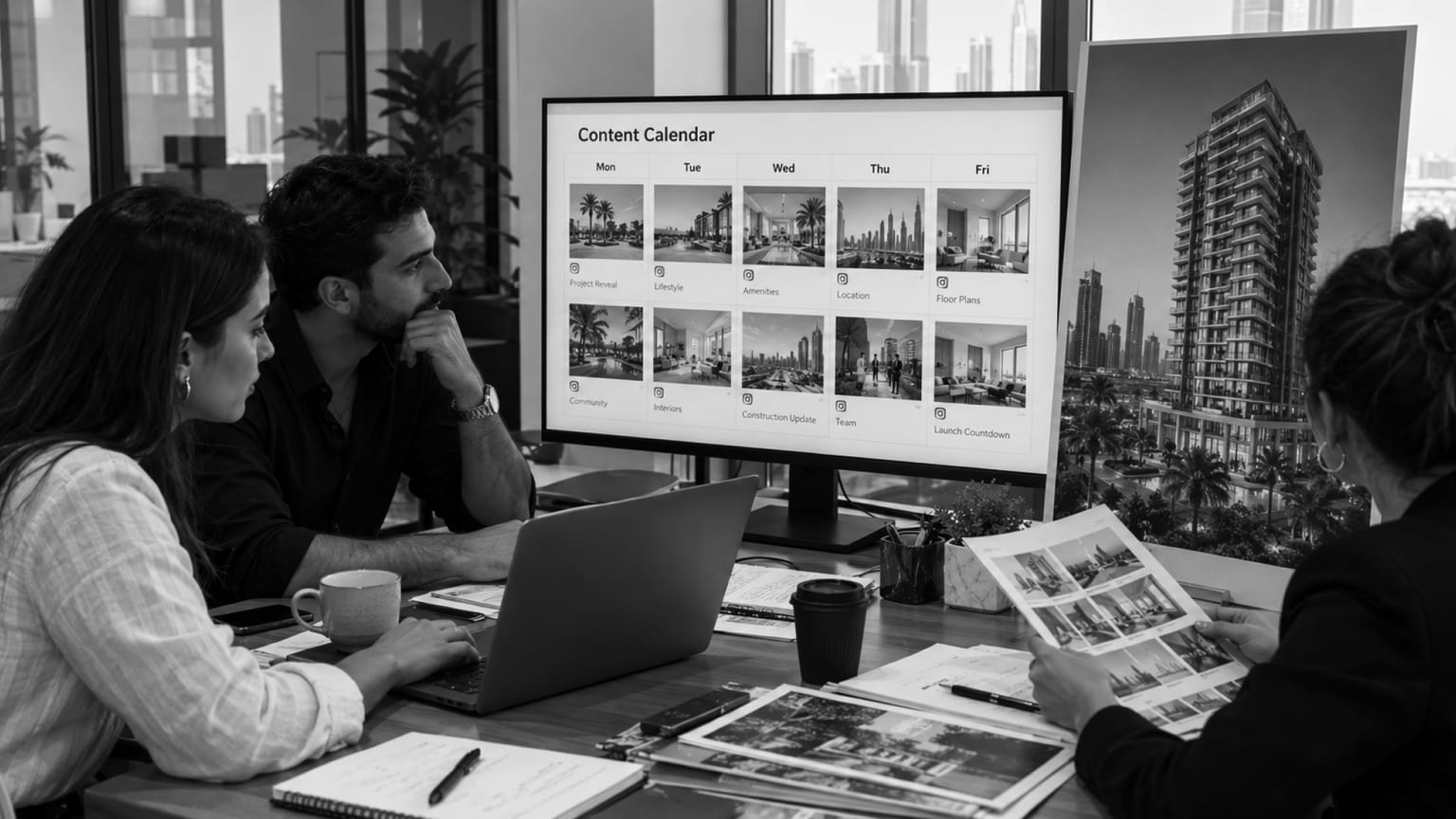
12 Real Estate Social Media Post Ideas for Developers in 2026
Blogs, Real Estate
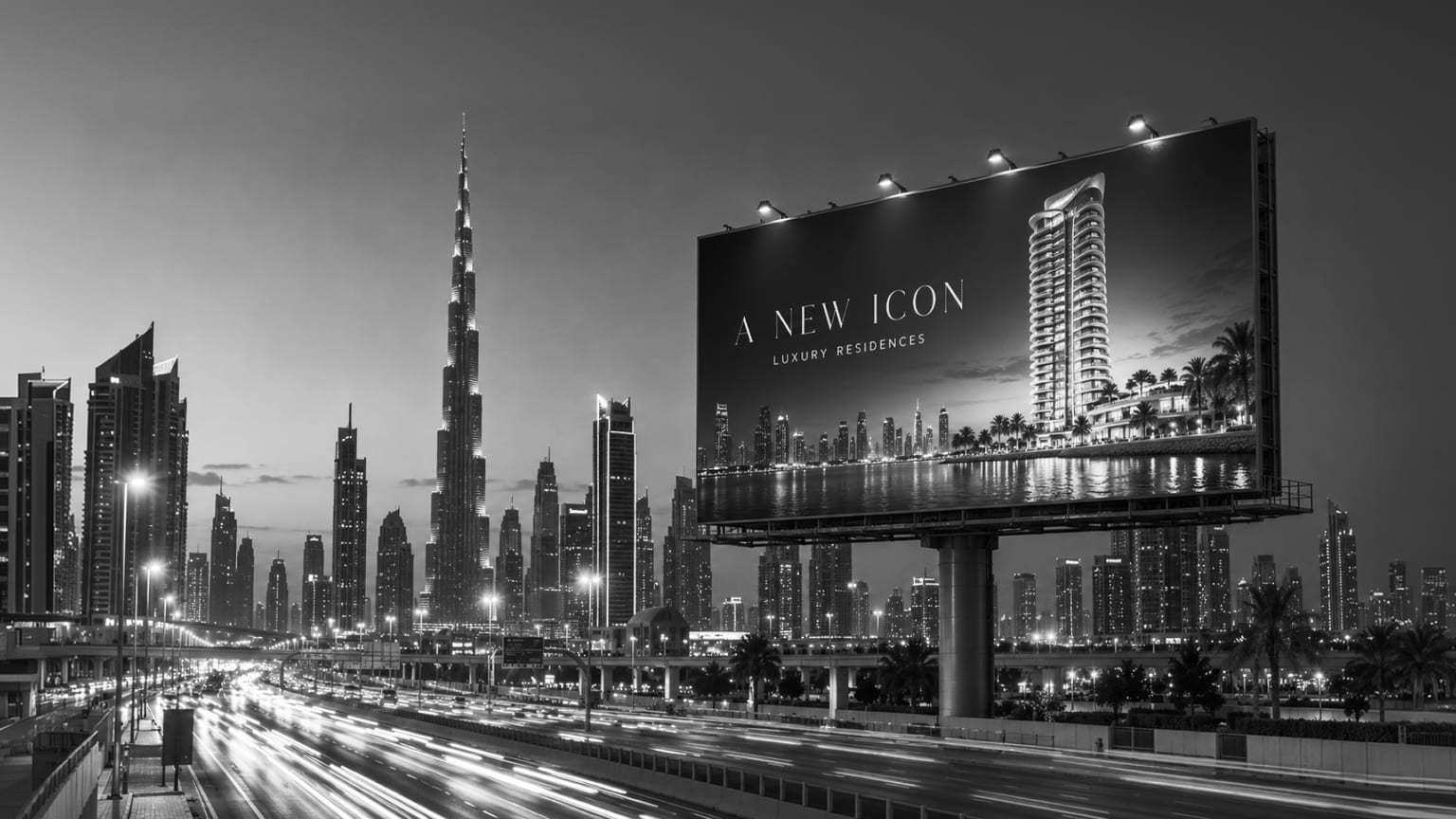
How Billboard Advertising Helps Real Estate Developers in Dubai
Blogs, Real Estate
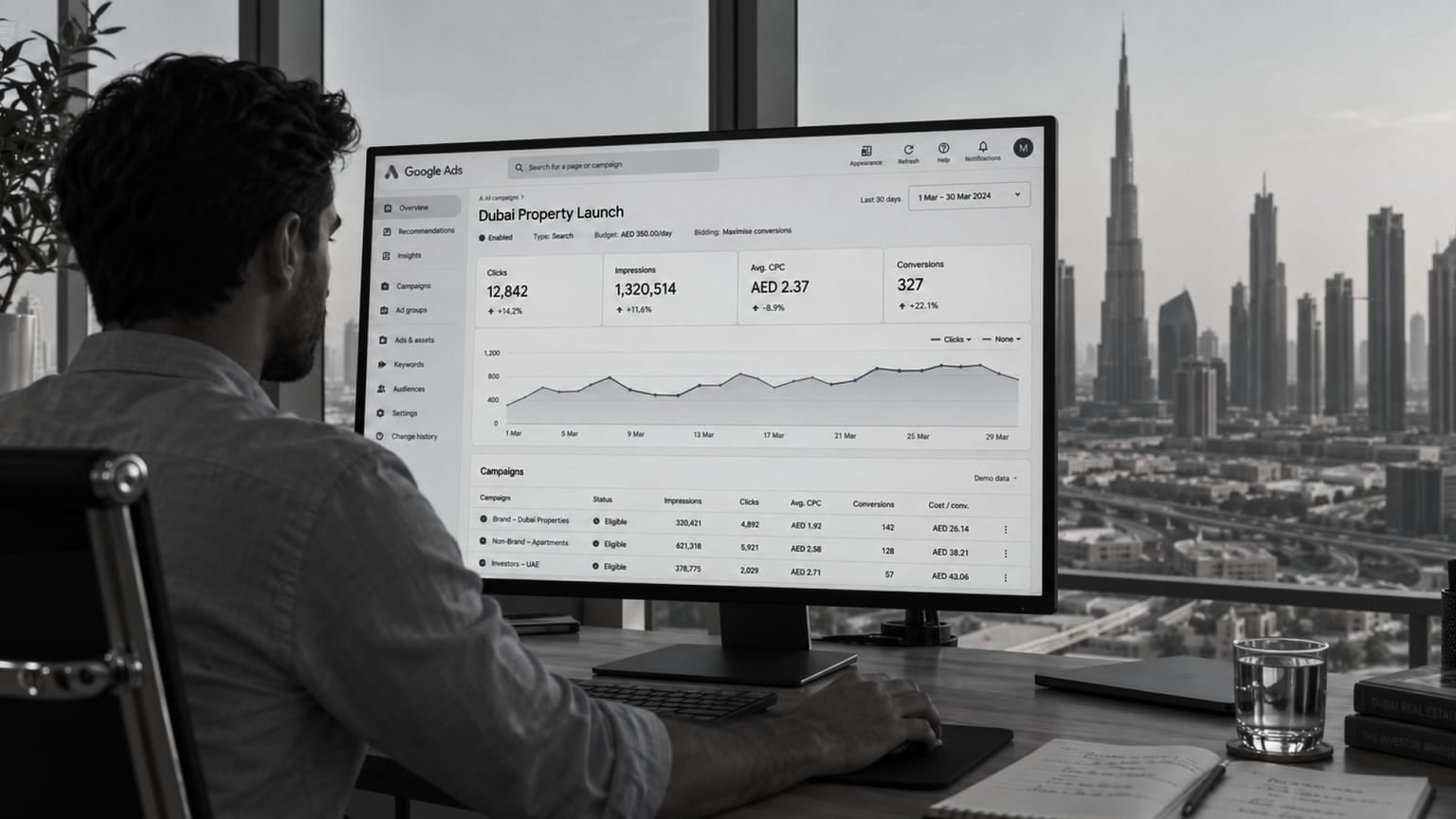
Real Estate PPC Campaign Optimization: Strategies to Generate Quality Leads in Dubai
Blogs, Real Estate
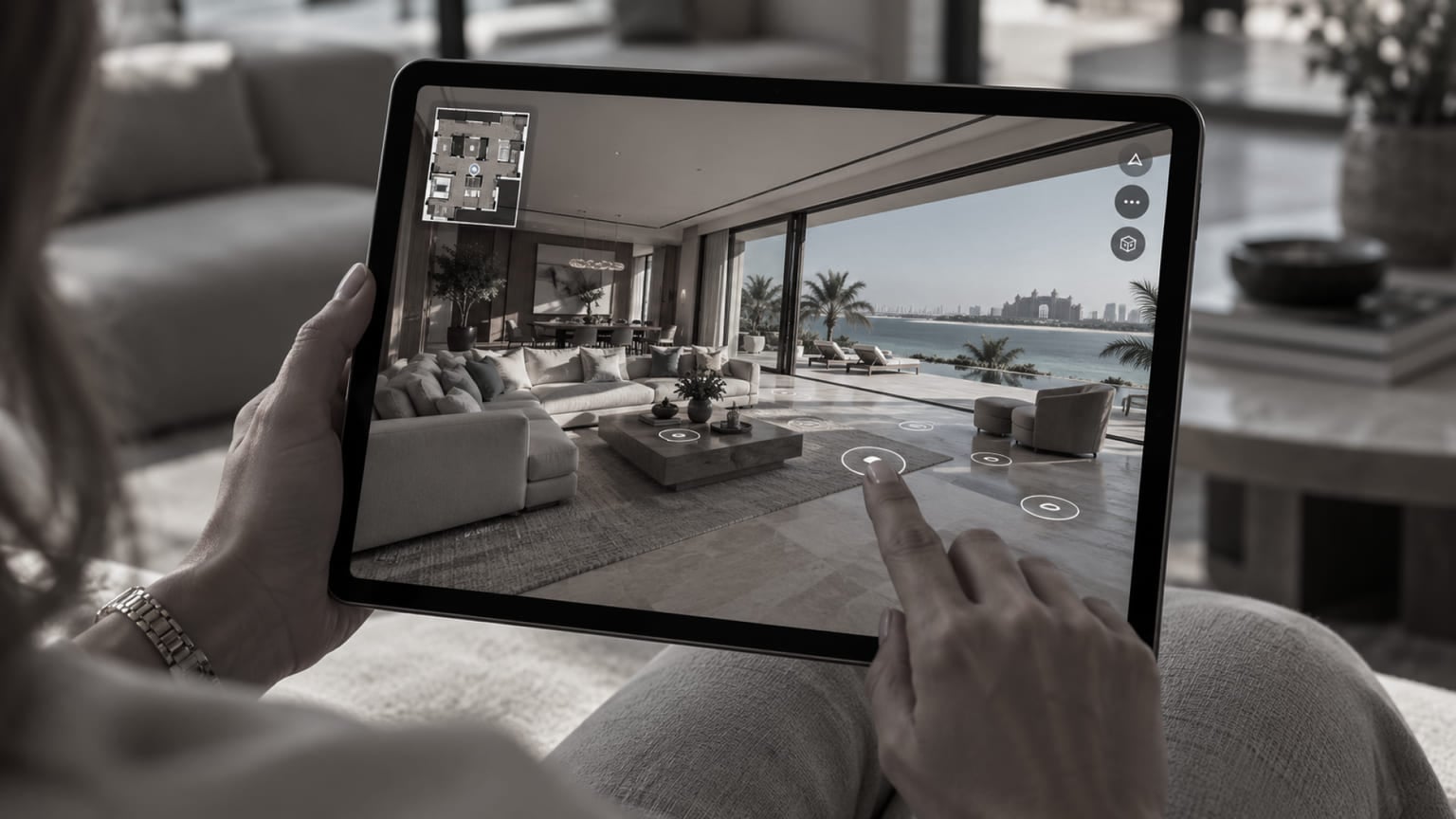
How to Use a Virtual Tour for Real Estate: A Practical Guide for Dubai Developers and Agents
Blogs, Real Estate
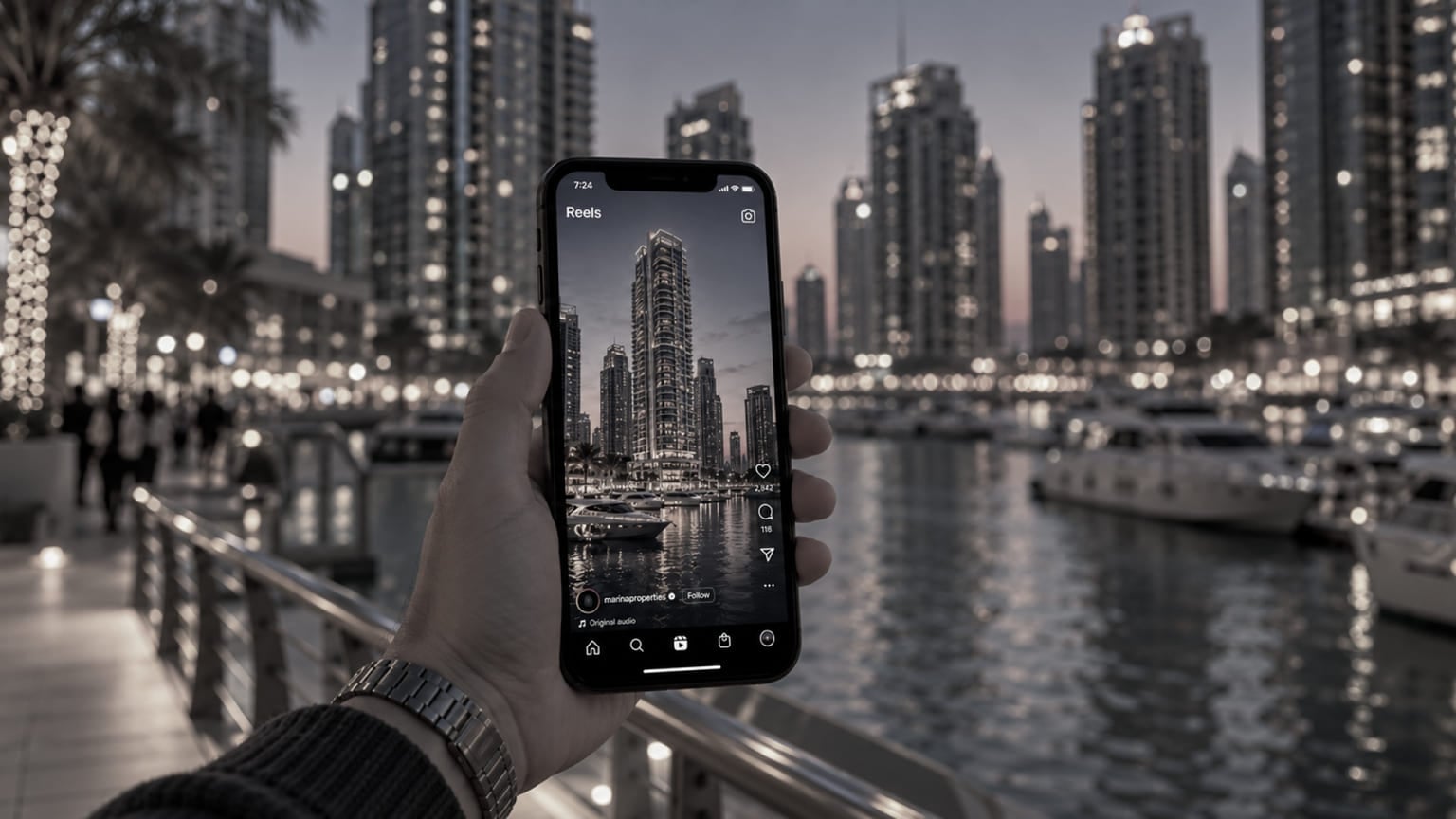
How Important Is Social Media in Real Estate? A 2026 Guide for Dubai Developers and Agents
Blogs, Real Estate
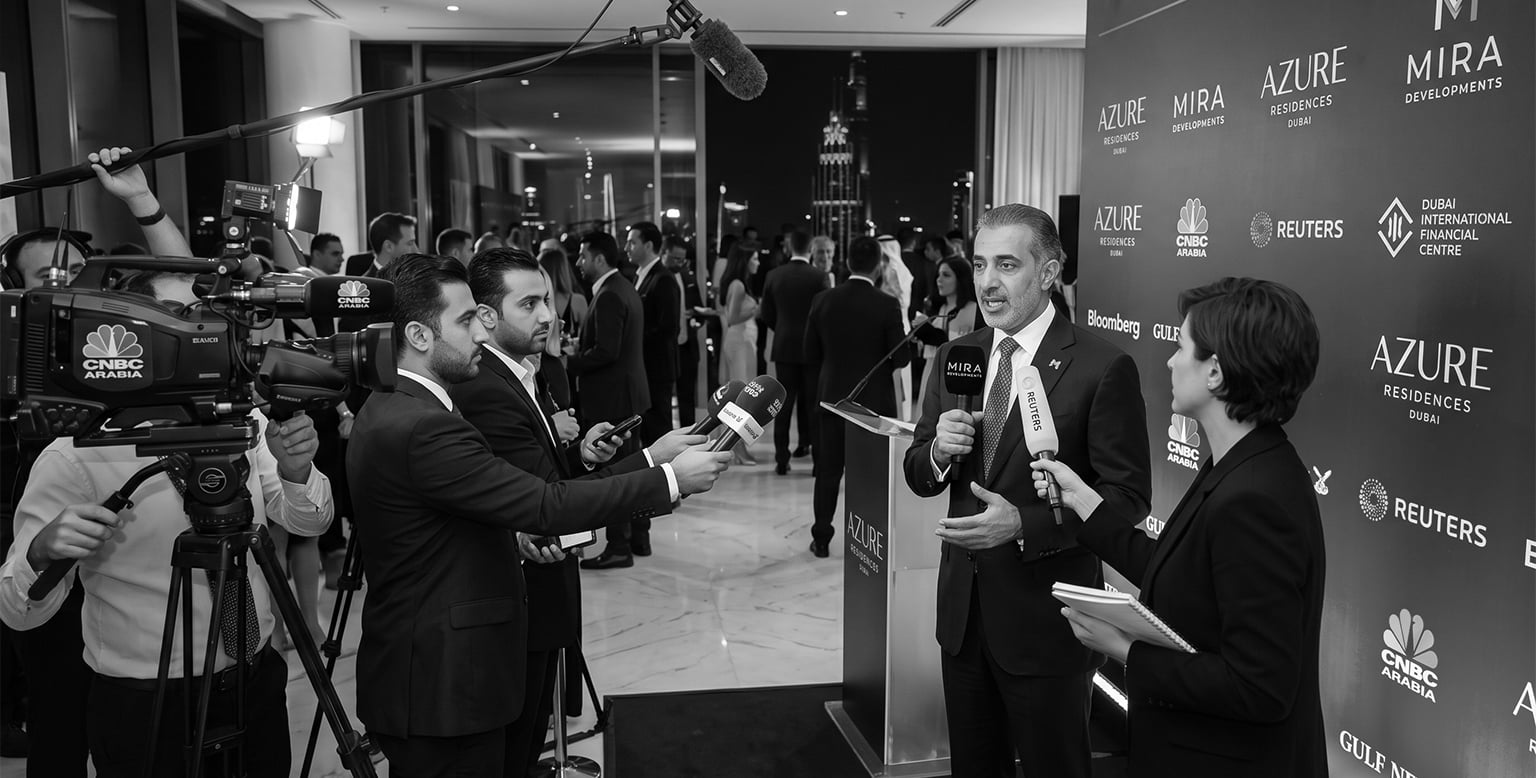
Real Estate Development PR: How Developers Launch Projects
Blogs, Real Estate