






Introduction
The UAE real estate market has never lacked visibility. What it often lacks is meaningful attention. Buyers and investors today don’t just browse; they filter, compare, and pause only when something feels relevant to their intent or aspiration. This shift has quietly redefined the role of real estate social media.
It is no longer a channel for listings. It is a space where perception is shaped, trust is built, and decisions begin—often long before a conversation happens.
A more evolved approach to real estate social media marketing in 2026 reflects this reality. It prioritizes narrative over noise, consistency over bursts, and positioning over promotion. For developers, brokerage leaders, and marketing heads in the UAE, the question is no longer whether to invest in social media, but how to make it work as a long-term growth asset.
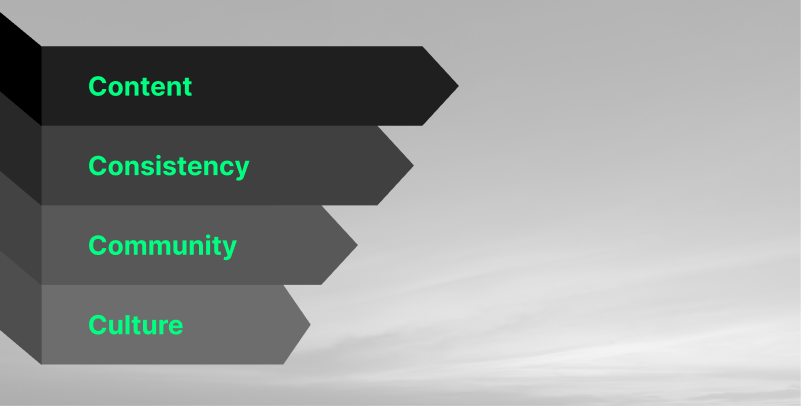
4C Framework for Social Media Growth
Behind every high-performing social media strategy is a structure—often invisible, but deliberate. The 4C framework offers a way to think about social media for real estate agents beyond content calendars and posting frequency.
Content
Content is still the entry point, but in today’s environment, it must do more than inform; it must interpret. High-quality social media posts for realtors don’t just show properties; they translate what those properties mean in context.
In Dubai, for instance, a waterfront apartment isn’t just a unit; it’s a statement about lifestyle, liquidity, and long-term positioning. Content that understands this shift performs differently because it speaks to intent, not just interest
Consistency (Algorithm Success)
Consistency is usually misunderstood as volume. In reality, it’s about reliability. Platforms reward patterns—when content appears regularly, engagement compounds.
For social media marketing for realtors, this means moving away from sporadic posting tied to launches or inventory. Instead, it needs a steady rhythm that builds familiarity and keeps the brand present in the buyer’s consideration set.
Culture (Platform Adaptation)
Every platform has its own rhythm and expectations. Instagram is driven by lifestyle and visual aspiration. LinkedIn is more focused on insight, credibility, and market perspective. YouTube, on the other hand, rewards depth and clarity through longer-form content.
An effective social media strategy adapts content to these environments instead of replicating it. This cultural alignment often determines whether content blends in—or stands out.
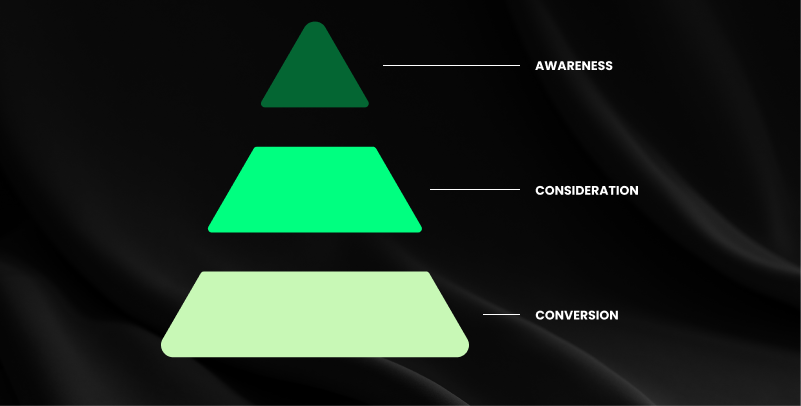
Content Ideas by Funnel Stage
One of the most common gaps in social media marketing for realtors is not aligning content with where the buyer is in their journey. Not every post needs to sell. Some should simply introduce your brand and build awareness, whereas others should focus on building trust and confidence over time.
Top Funnel (Awareness)
At this stage, the audience is not actively buying; they are observing. The goal is to enter their field of attention without friction.
Content that works here includes:
- Market shifts explained in simple, relevant terms
- Short-form videos highlighting lifestyle districts in Dubai or Abu Dhabi
- Insights into emerging investment zones
Middle Funnel (Consideration)
Here, the audience is more engaged. They are comparing options, evaluating risks and seeking clarity.
Effective formats include the following.
- “Ready vs off-plan” breakdowns with real context
- Developer credibility narratives
- Project progress updates and construction insights
Bottom Funnel (Conversion)
Conversion-stage content is where hesitation needs to be reduced. The tone shifts—still composed, but more direct.
Content here may include:
- Real client journeys and outcomes
- Inventory updates framed with context (not urgency alone
- Walkthroughs with a clear next step

AI-Driven Social Media for Real Estate
AI is increasingly shaping how content is created, distributed, and optimised. But its role is often misunderstood. It is not a replacement for strategy; it is an amplifier.
Mint & Co. is a forward-thinking real estate social media marketing agency. It uses AI to refine decisions:
• Identifying what content resonates with specific buyer segments
• Predicting optimal posting windows
• Personalising messaging at scale
In a market like the UAE, where buyer profiles range from local end-users to international investors, this level of precision matters.
However, the insight still needs to be human. AI can identify patterns, but it cannot fully interpret market sentiment, cultural nuance, or timing in the way an experienced strategist can. Mint & Co. brings a distinct advantage, approaching real estate social media not just through data, but also through a deeper understanding of buyer psychology, regional dynamics, and long-term brand positioning.
High-Converting Content Formats
Certain formats consistently outperform because they align with how audiences consume content today.
Reels (Hook → Story → CTA)
Short-form video remains one of the most effective tools in real estate social media. The structure is simple but powerful.
- A strong opening that captures attention.
- A narrative that builds relevance.
- A clear, natural next step.
Carousels
Carousels encourage interaction. Each swipe is a small commitment, increasing engagement depth. Formats like “What AED 3M buys in different areas” or “Investment insights in 5 slides” work particularly well.
Stories
Stories give a more immediate, less curated layer of communication. They are ideal for behind-the-scenes moments, quick updates, and conversational engagement—an often underutilised tool in social media posts for realtors.
Platform-Wise Strategy
Facebook & Instagram (Emotion + Lifestyle)
These platforms remain central to consumer engagement. Visual storytelling, aspirational living, and emotional cues drive performance.
A refined approach to Facebook marketing for realtors is less about showcasing listings and more about embedding those listings within a lifestyle narrative.
LinkedIn (Authority + Investors)
LinkedIn operates on a different axis. It rewards clarity of thought, market understanding, and perspective.
Using LinkedIn real estate lead generation effectively means sharing insights, including market movements, regulatory updates, and investment patterns, rather than promotional content.
YouTube (Long-form Trust)
For high-value decisions, depth matters. YouTube allows for more detailed storytelling—project walkthroughs, area analysis, and long-form insights.
A strategic approach to YouTube lead generation builds trust over time, usually influencing decisions well before direct contact.
From Content to Leads
Content alone does not generate leads; it creates the conditions for them.
CTA Frameworks
Effective CTAs feel like a natural continuation of the content. They invite rather than push: “Explore availability,” “View detailed insights,” or “Access project brief.”
Landing Page Strategy
Every strong real estate social media effort leads somewhere intentional. A focused landing page—clear, minimal, aligned with the content—ensures that interest is not lost.
Lead Magnets
In the UAE, value-driven assets perform better than generic offers:
- Area-specific investment reports
- ROI projections
- Early access to launches
Mistakes That Kill Real Estate Social Media Growth
Even experienced teams encounter recurring issues:
• Treating social media as a listing board
• Posting inconsistently
• Ignoring platform-specific behaviour
• Prioritising reach over relevance
But the most significant gap is strategic fragmentation. Without alignment between brand, content, and audience, even well-produced social media posts for realtors struggle to deliver impact.
The Final Words
The shift in real estate social media across the UAE isn’t dramatic; but it’s meaningful. It’s no longer about simply being active online; it’s about being intentional with what you share and why.
Developers and brokerage leaders who treat social media as a long-term brand-building system, rather than a series of short-term campaigns, tend to see more consistent and sustainable results over time. Mint & Co. reflects this shift, where the focus is not on content volume but on building a cohesive narrative that compounds over time.
The shift is already underway: from posting to positioning, from attention to trust, and from visibility to influence.
Got Questions? We've Got You.
What is the 5 5 5 rule for social media?
It refers to a simple engagement habit: interacting with five posts, commenting on five, and connecting with five new people daily. For social media for real estate agents, this builds organic visibility and strengthens professional networks over time.
Which social media is best for real estate?
There is no single answer. Instagram and Facebook drive lifestyle engagement, LinkedIn builds investor credibility, and YouTube establishes long-term trust. The effectiveness depends on how well your social media strategy aligns with your audience.
What are the 4 P's of marketing in real estate?
The 4 P’s—Product, Price, Place, and Promotion—remain foundational. Within real estate social media, promotion evolves into storytelling, where perception, positioning, and narrative influence buyer decisions as much as the property itself.